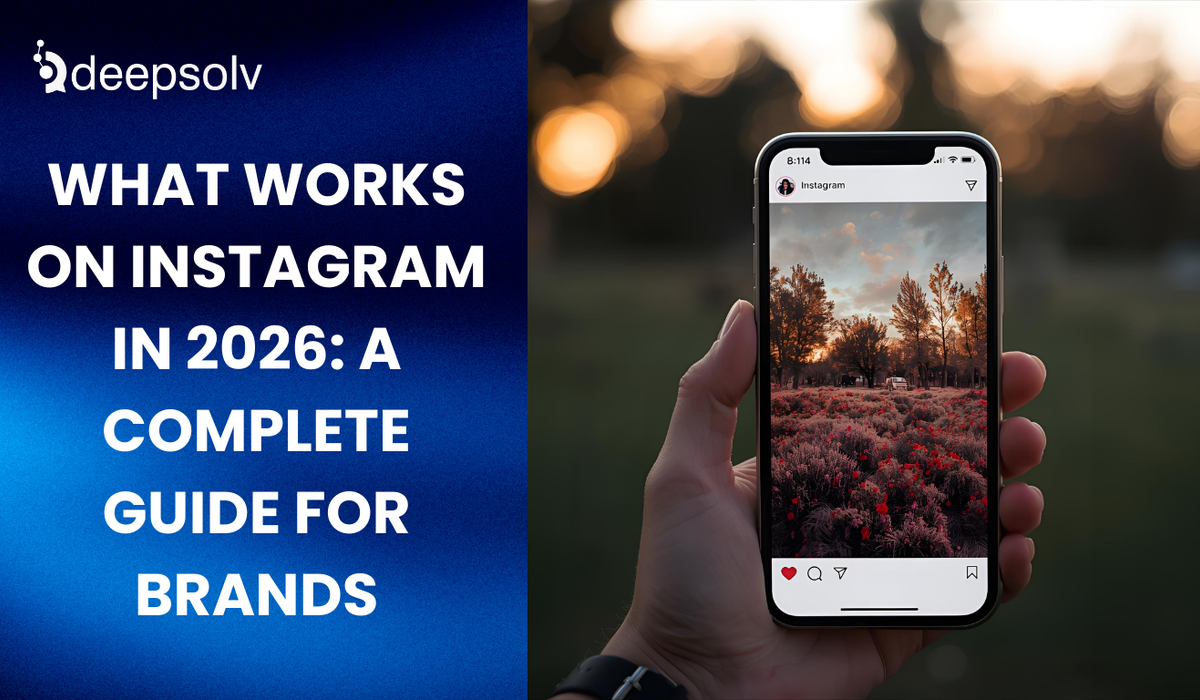
What Works on Instagram in 2026: A Complete Guide for Brands
5 min read
Published: 11/29/2025
Instagram marketing 2026 looks nothing like the playbook brands relied on even two years ago.
If you are still thinking in terms of posting frequency, generic engagement metrics, or viral hacks, you are already behind.
As we move closer to 2026, Instagram has quietly completed one of the biggest shifts in its history. It is no longer just a social network competing for attention. It has become a search engine, a trust layer, and a community platform rolled into one. Brands that understand this shift early are compounding reach and revenue. Brands that do not are watching their growth flatten, even when content quality feels “good enough.”
This guide breaks down what actually works on Instagram in 2026, grounded in real platform behavior, real brand examples, and how modern brands are quietly building unfair advantages through community intelligence, conversation depth, and retention, not noise.
The Big Shift: Instagram’s Quiet “Unshittification”
For nearly a decade, social media rewarded volume.
More posts. More hashtags. More tricks.
That era is ending.
Instagram in 2026 is actively penalizing shallow behavior and rewarding signal over noise. The platform is optimizing for three things above all else:
- Retention density (how long people stay, pause, return)
- Conversation depth (quality of human interaction)
- Searchable reputation (can your brand be discovered for intent-driven queries)
This is why brands posting “aesthetic” content with low comment depth see declining reach, while smaller brands with engaged communities quietly outperform them.
Instagram growth 2026 is no longer about growth hacks. It is about becoming useful, trusted, and remembered.
How the 2026 Instagram Algorithm Actually Thinks
Understanding how to grow on Instagram 2026 starts with unlearning what the algorithm used to reward.
1. The Pause Signal Is the New Like
Instagram now tracks micro-behaviors, not vanity metrics.
One of the most powerful signals is the pause.
If a user stops scrolling, even briefly, the algorithm reads intent.
This is why “Perfect Pause” formats dominate in 2026:
- Dense text overlays that require a pause to read
- Visuals with hidden details
- Fast cuts that demand rewatching
Brand example:
Duolingo’s chaotic Reels are intentionally hard to process in one scroll. Users pause, replay, and comment to decode what just happened. That pause behavior compounds distribution.
2. Repeat Views Matter More Than Reach
Instagram heavily weights repeat consumption.
If someone watches your Reel twice, that is stronger than a like, save, or share combined. This favors:
- Looping videos
- Educational content with density
- Visual storytelling with layers
Brands creating “clean” but empty videos lose here.
Brand example:
CeraVe’s “Michael CeraVe” campaign worked because viewers rewatched to spot clues and jokes. The humor was layered. Every rewatch strengthened distribution.
3. Conversation Depth Replaced Comment Counts
A post with 20 thoughtful comments now outperforms one with 200 emojis.
Instagram uses NLP to evaluate:
- Sentence length
- Replies within threads
- Peer-to-peer interaction
This fundamentally changes how brands should treat comments.
Smart brands no longer leave comments unattended.
They actively shape the conversation.
This is where modern community operations quietly become a growth lever. When brands respond contextually, segment intent, and keep conversations alive, the algorithm reads the post as socially valuable.
Instagram Is Now a Search Engine (Whether You Like It or Not)
Younger audiences search Instagram the way older generations search Google.
Queries like:
- “best skincare for acne”
- “fashion brands for summer weddings”
- “tools for Instagram marketing 2026”
are increasingly happening inside Instagram.
What Changed About Instagram SEO
Hashtags are no longer the primary driver.
Instagram now reads:
- Caption semantics
- On-screen text
- Voiceovers
- Alt text
- Visual objects
Captions that look like micro-blogs outperform vague one-liners.
Brand example:
Glossier’s educational captions consistently rank for product-related searches because they explain usage, benefits, and routines in natural language.
The Anti-AI Era: Why “Human” Is a Competitive Advantage
By 2026, AI content is everywhere.
And that is exactly why it is losing trust.
Consumers can sense synthetic perfection. What stops the scroll now feels:
- Slightly messy
- Underproduced
- Human
Brands Winning With Imperfection
Polaroid openly positioned itself against AI-generated memories. Their campaigns leaned into physical imperfection, grain, and real moments.
Heineken mocked AI friendship culture by emphasizing real-world connection. Their messaging landed because it tapped into collective tech fatigue.
The takeaway is not “don’t use AI.”
It is don’t let AI be visible in the final output.
Behind the scenes, AI is still doing the heavy lifting for brands that scale well: analyzing behavior, managing conversations, and reactivating intent.
Content Formats That Actually Drive Growth in 2026
Reels Are for Discovery, But Only If They Earn the Pause
Short-form video still drives reach, but only when it respects attention.
Winning Reels in 2026:
- Start mid-thought
- Deliver value fast
- Reward rewatching
Brands building serialized content, not one-off virals, see stronger retention.
Brand example:
Shameless Media built episodic formats that audiences return to intentionally, not accidentally.
Carousels Are the New Authority Play
Carousels now function like visual essays.
They:
- Increase dwell time
- Drive saves
- Build expertise perception
Brand example:
Huda Beauty uses carousels to break down ingredients, routines, and trends, making their page feel like a reference library.
Broadcast Channels Build Owned Reach
Instagram Broadcast Channels are quietly becoming the most valuable surface on the platform.
They bypass the feed algorithm entirely.
Brands using them effectively:
- Share raw updates
- Test ideas
- Reward insiders
Fashion Nova uses channels like an SMS list. Huda Beauty uses them like a focus group.
This shift toward owned intimacy matters because organic reach is no longer guaranteed.
Community Is the Conversion Layer Most Brands Ignore
Consumers trust people more than ads.
They read comments before they buy.
This is where many brands leak revenue without realizing it.
When comments go unanswered, confusion spreads. When negativity sits unaddressed, trust erodes. When interested buyers ask questions and get silence, intent dies.
Modern brands treat comments and DMs as conversion surfaces, not support inboxes.
Quietly, some brands are using AI-driven systems that adapt to brand tone, prioritize revenue-driving queries, and segment intent without sounding robotic. The difference is not obvious to users, but it compounds conversion.
Retargeting Is No Longer Just Ads
Instagram marketing 2026 is about relationship memory.
If someone:
- Commented on a product
- Engaged during a launch
- Asked a question months ago
They expect brands to remember.
High-performing brands now re-engage previous engagers contextually:
- Back-in-stock nudges
- Sale reminders
- Product updates
This is retargeting without shouting. It feels helpful, not intrusive.
And it converts because it respects intent history.
Real Brand Case Studies That Still Work in 2026
Cadbury: Selling Emotion, Not Product
Cadbury’s “Made to Share” campaigns turned chocolate into a social tool. The product facilitated human interaction, which naturally generated UGC and discussion.
Duolingo: Chaos With Structure
Duolingo’s brand voice feels chaotic, but the strategy is disciplined. They lean into conversation depth, narrative risk, and cultural responsiveness.
CeraVe: Internet-Native Humor
The Michael CeraVe campaign blended offline PR with online lore. It rewarded attention, rewatching, and community speculation.
Each of these brands succeeded because they understood how people behave on Instagram, not because they chased trends blindly.
Strategic Takeaways for Brands Entering 2026
- Optimize for search before virality
- Design content to earn the pause
- Treat comments and DMs as revenue touchpoints
- Use AI invisibly to scale human interaction
- Build owned channels before reach declines further
Brands that wait will still post.
Brands that adapt will compound.
If you are not actively shaping conversations, segmenting intent, and re-engaging interested users, you are leaving growth on the table, quietly.
This is why forward-thinking teams are now auditing their Instagram operations the same way they audit ads or email funnels.
Scheduling a free strategy call early often reveals blind spots brands did not know existed.
FAQs
Frequently asked questions related to this blog post