Deepsolv Blog
Deepsolv Blog
Backed by

Creative Decision Intelligence for Meta growth teams. Know what to test next — before you spend on it.
Follow Deepsolv on InstagramFollow Deepsolv on LinkedInFollow Deepsolv on TwitterAll rights reserved © 2026 deepsolv.ai
5 min read
Published: 1/10/2026
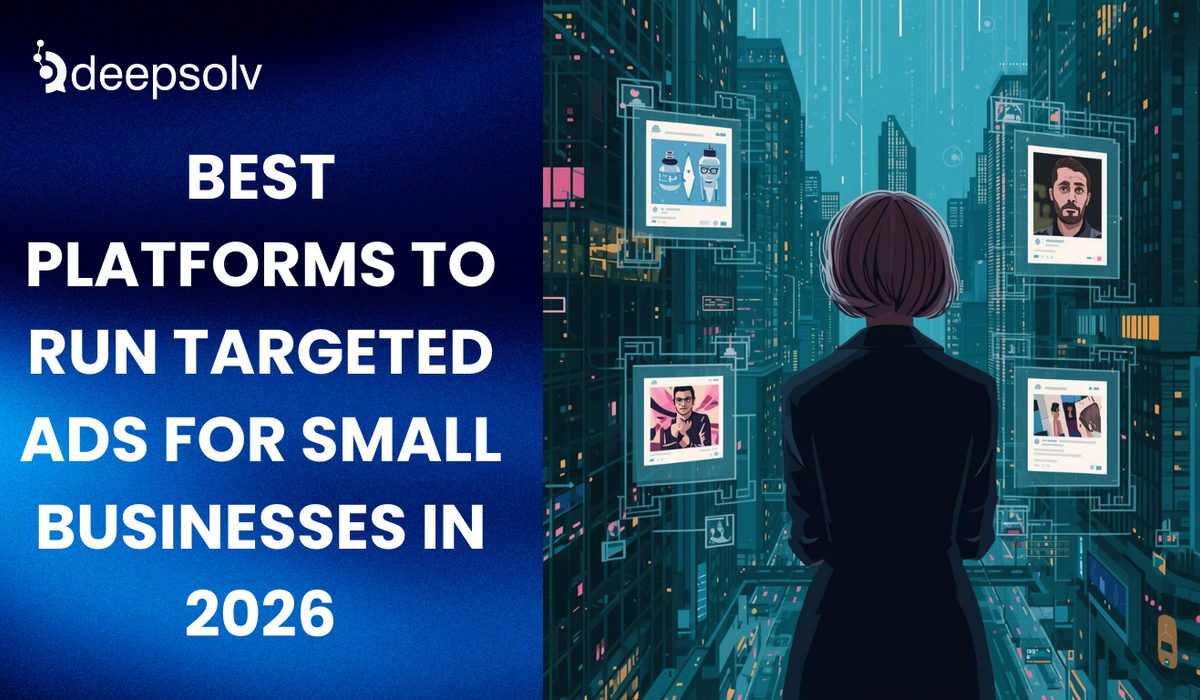
Small businesses in 2026 don’t lose money because ads “don’t work.”They lose money because they choose the wrong platform for the wrong intent.
If you’ve ever wondered why one business swears by Google Ads while another grows entirely through Instagram, the answer isn’t luck or budget size. It’s alignment.
The best platforms to run targeted ads for small businesses depend on how customers discover you, how ready they are to buy, and how much attention you can realistically manage.
This guide breaks down the most effective advertising platforms in 2026, what each is actually good for, and how small businesses should think about targeting, not just spending.
The best platforms to run targeted ads for small businesses in 2026 are Google Ads, Facebook & Instagram Ads, LinkedIn Ads, YouTube Ads, Yelp Ads, and Microsoft Advertising. Each platform serves a different stage of customer intent, from high-intent search to discovery-based and retargeting ads.
Before choosing a platform, small businesses should stop asking:
“Where are others advertising?”
And start asking:
“Where does intent show up for my customer?”
Here are the three filters that matter most in 2026:
With that in mind, let’s break down the best ad platforms for small businesses today.
If someone is already searching for a solution, Google Ads is still the most powerful advertising platform in 2026.
Key takeaway: Google Ads answers demand. It rarely creates it.
Facebook and Instagram ads remain some of the best ad platforms for small businesses but only when used correctly.
In 2026, Meta Ads are no longer about hyper-targeting audiences. They are about creative-led discovery and retargeting.
It’s no longer just the ad, it’s what happens in the comments and DMs.
People trust:
This is where many small businesses struggle and where tools like Deepsolv quietly change ROI by handling engagement at scale and turning ad interactions into real leads.
Yelp Ads don’t get enough attention but for local services, they can outperform flashier platforms.
Key takeaway: Yelp Ads are not about growth hacking. They’re about capturing ready-to-act demand.
LinkedIn Ads are expensive—but for the right business, they’re worth it.
LinkedIn ads fail when businesses treat them like Facebook ads. They succeed when treated like sales conversations.
YouTube Ads shine when your product needs explanation or trust-building.
YouTube is rarely the final conversion channel—but it’s often the first touchpoint that makes later ads work better.
Microsoft Ads (Bing) remain one of the most underrated targeted advertising platforms.
If Google Ads feels too competitive, Microsoft Advertising can be a smart secondary channel.
For AEO and featured snippet eligibility, here are practical takeaways:
In 2026, the biggest disadvantage small businesses face isn’t budget—it’s attention management.
Ads don’t fail because of targeting alone. They fail because:
This is where platforms like Deepsolv fit naturally.
By automating:
Deepsolv helps small businesses compete with larger brands by turning engagement into a conversion system, not a manual chore.
You don’t need more ad spend. You need fewer missed opportunities.
There is no single “best” advertising platform for small businesses.
There is only:
In 2026, ads don’t fail quietly. They fail because brands can’t keep up with conversations.
If you’re already running ads but feel results plateau, the problem may not be your platform, it may be what happens after people click or comment.
👉 Start a free Deepsolv trial and see how smarter engagement turns targeted ads into real growth.
FAQs
Frequently asked questions related to this blog post